

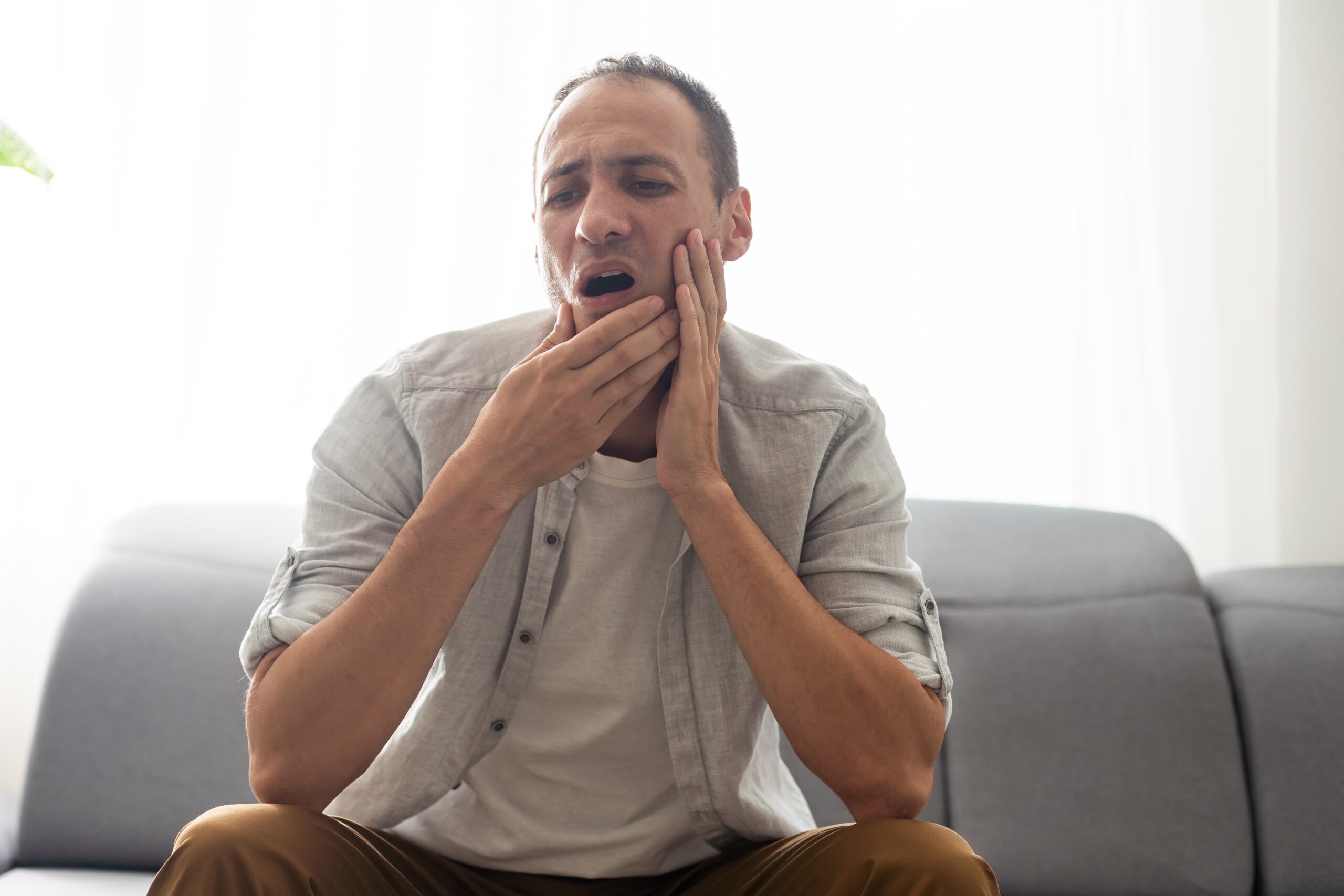
 Jaw pain is easy to brush off at first. You may think it is stress, teeth grinding, or even just sleeping in a bad position. But when discomfort keeps coming back, your jaw may be trying to tell you something more. TMJ disorder affects the temporomandibular joints, which connect your jaw to your skull and help you speak, chew, and yawn. When these joints or the muscles around them are not working well, daily life can become painful and frustrating.
At Premier Dental & Oral Health Group in Lake Ozark, MO, also serving Osage Beach and Camdenton, patients can turn to an experienced team for help. Dr. Ron Massie has practiced dentistry in the lake area for over 25 years. In June 2014, he was awarded his Mastership in the Academy of General Dentistry, or MAGD. This honor reflects a strong commitment to continuing education and quality patient care.
Recognizing TMJ Symptoms
TMJ symptoms can show up in several ways. The most common sign is jaw pain or soreness, especially near the ears, cheeks, or temples. Some people notice clicking, popping, or grinding sounds when they open or close their mouth. Others may feel like their jaw gets stuck or locked for a moment. Pain while chewing is another common complaint.
Uncommon Signs: TMJ Beyond the Jaw
TMJ can also cause symptoms that do not seem linked to the jaw at first. Frequent headaches, neck pain, facial tension, earaches, or a feeling of pressure around the ears may all be connected. Some patients even notice worn teeth from clenching and grinding, also called bruxism. If your bite feels off or your teeth no longer fit together the same way, that can be another warning sign.
Why You Should Seek Professional Help
It is important to seek professional help when symptoms last more than a few days, keep returning, or begin to affect eating, speaking, or sleep. Waiting too long can let the problem grow worse. Ongoing strain on the jaw joint can lead to more pain, more inflammation, and more damage to the teeth and surrounding muscles.
Treatment Options for TMJ Relief
Treatment for TMJ depends on the cause and severity of the issue. In many cases, treatment begins with a careful exam to look at your jaw movement, bite alignment, and signs of wear on the teeth. Custom oral appliances may help reduce grinding and ease pressure on the joint. Bite adjustments, lifestyle changes, and stress management can also play a role. For some patients, treating muscle tension and protecting the teeth can bring major relief.
How Invisalign Can Help TMJ Sufferers
Invisalign may also help correct TMJ in certain cases. If a poor bite or misaligned teeth are adding stress to the jaw joint, Invisalign can gently move teeth into better alignment. As the bite improves, pressure on the jaw may decrease. This can help reduce clenching, discomfort, and uneven wear over time. Invisalign offers a clear, removable option that can improve both comfort and function.
Take Action for Your Jaw Health
TMJ pain is not something you should ignore. If your jaw is sending warning signs, professional care can help you find the cause and the right treatment. Premier Dental & Oral Health Group is proud to help patients in Lake Ozark, Osage Beach, and Camdenton get relief and protect their long-term oral health. Contact us today to learn more.
Contact Premier Dental & Oral Health Group:
573-365-0220
Location (Tap to open in Google Maps):
24 North Shore Dr.
Lake Ozark, Missouri
65049


